How do you view these gatherings?
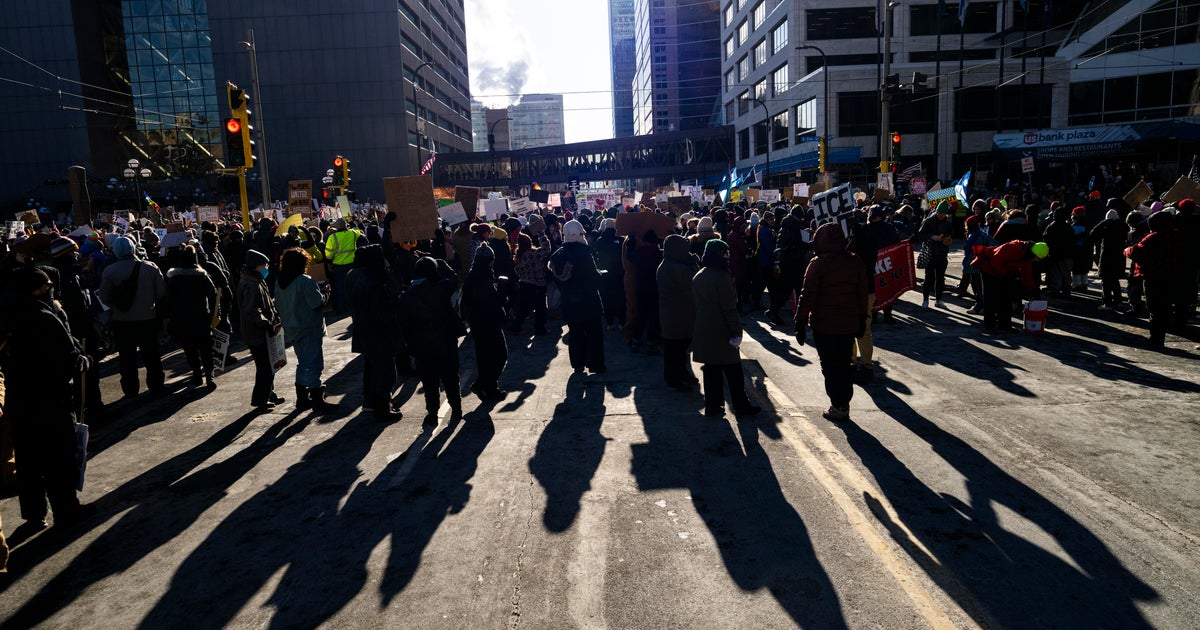
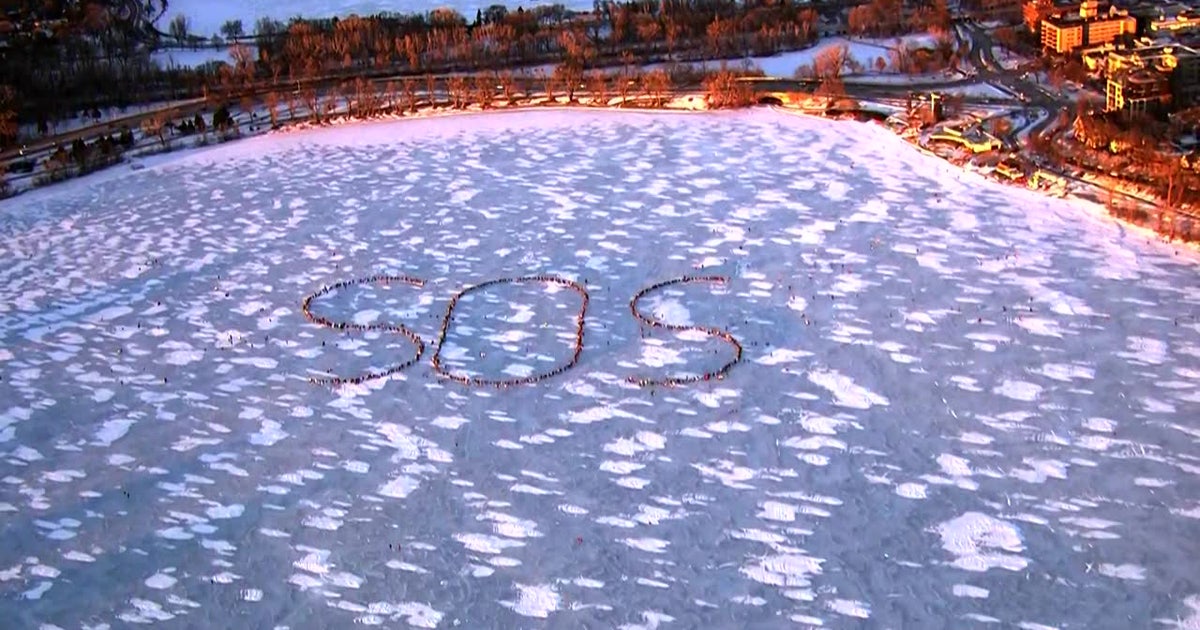
So long as peaceful, on public property, and not interfering with other people's civil rights, they're demonstrations, protests, or vigils. Ditto if on private property with the property owner's permission.
If/when they interfere with other people's rights, even if peaceful, at some point they can become unlawful assemblies and law enforcement has a duty to declare such and ask/tell/order people to disperse and/or move to resolve the conflicting rights.
When they become violent, they become riots.
If someone is resisting arrest, and there's not mob/group violence, it's not a riot.
If someone resists arrest, LE is allowed and trained to use the least force necessary to effect the arrest and prevent injury to officer(s) and the public. I don't know what Federal Agents are permitted to do re use of force in specific situations and circumstances.
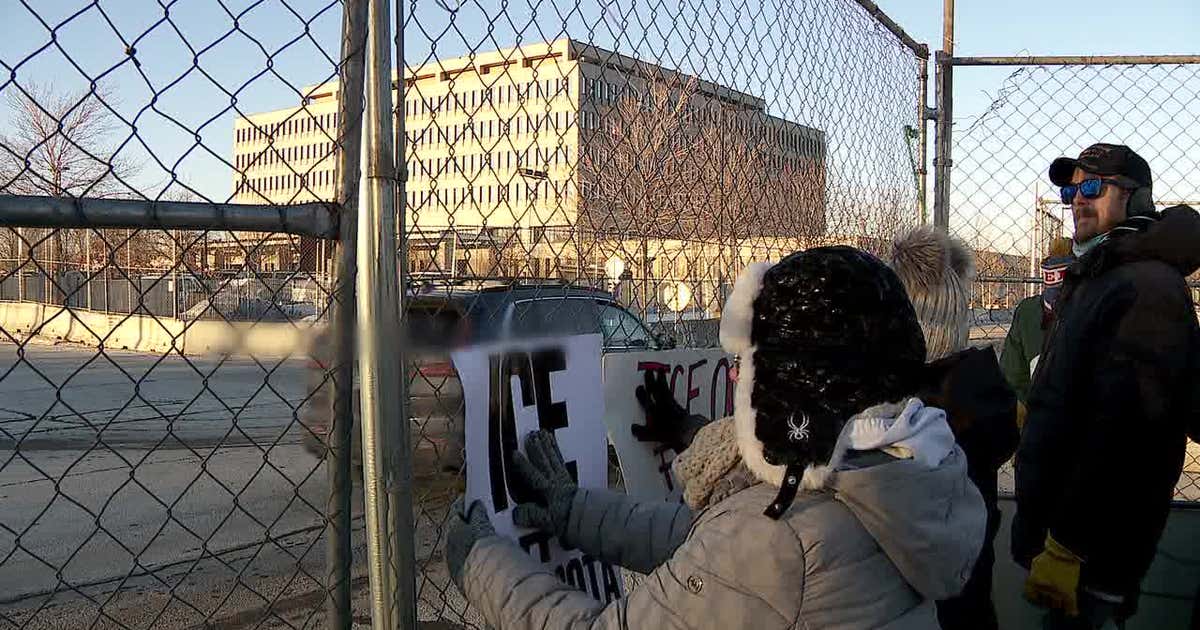
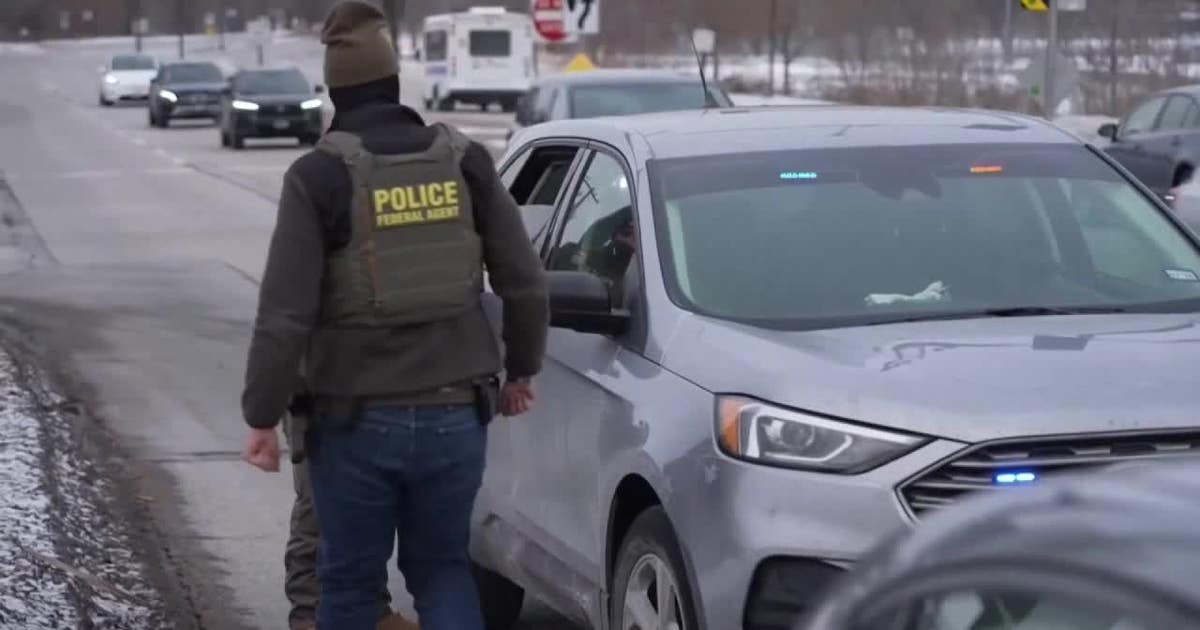
People interfering with Federal Agents doing their duties amounts to Interfering with an Arrest, Harboring a Fugitive, Obstruction of Justice, and/or Assault, and they are subject to removal and/or arrest. People peacefully observing, demonstrating, protesting or vigil at a sufficient distance to not interfere with Federal Agents are exerising First Amendment rights. If, however, mob/group violence occurs, it becomes a riot. People, who do not comply with orders to back up, disperse, etc. are subject to removal and/or arrest.
Generally, until or unless outside agitators encourage, cause, or do violence, they have the same First Amendment rights as anyone else (unless already guilty of Conspiracy, RICO, etc.). As soon as they encourage, cause, and/or do violence, they are subject to removal and/or arrest for Inciting a Riot, Disorderly Conduct, Destruction of Property, Arson, Assault, Conspiracy, etc., etc., etc. I found it very encouraging that during the George Floyd riots here, ordinary citizens in neighborhoods turned on outside agitators and kicked them out because they didn't want their neighborhoods destroyed. It's also noteworthy that during the Ferguson Riots in Ferguson, during the first 30 days, the only people arrested weren't even from Missouri (they were outside agitators and people just coming from elsewhere for an excuse to do violence). When local people are allowed to take care of local problems without outside nefarious actors showing up and using the situation as an excuse to advance their agenda(s), things generally go much better.
Minnesota has a long history and tradition of people openly speaking out, demonstrating, protesting, and vigil. The vast majority have been peaceful exercise of First Amendment rights.
Whether or not I agree with someone, I will defend his or her First Amendment rights to peaceful observation, demonstration, protest, and vigil. However, if/when such events actually interfere with lawful government operations, LE has a duty to help participants return the event to legitimate exercise of First Amendment rights (i.e., move back, get out of the street, etc.), and failing that, to declare an Unlawful Assembly and order and assist participants to leave peaceably. Note that either/both of these may entail temporary suspension of the current government operations to facilitate LE restoring/keeping order. If/when such events turn violent and become riots, that's not acceptable exercise of any rights, and LE has both responsibility and authority (sworn duty) to stop the violence. Since the U.S. is not a military dictatorship or police state, LE must obey the directives and orders of elected and specific appointed civilian leadership, as well as the law and departmental policies. If said elected officials say stand down, LE must stand down.
When I handled demonstration/protest/vigil incidents in the last jurisdiction where I worked in the St. Louis Metro, I approached whoever appeared to be the leader(s) and politely explained that I had given 20 years of my life to make sure we had Constitutional rights, encouraged people to exercise their First Amendment rights, but while exercising those rights, to not infringe on other people's Fourth Amendment rights, i.e., keep it on public property, don't block the streets, and don't interfere with any businesses. I also reminded people that staying out of the street was a safety issue, that I didn't want anyone to get hurt. Then I relied on those leaders to keep things peaceful. Working with and respecting people as adult human beings instead of doing unto them was essential when seriously outnumbered, people were angry, in the interest of keeping the peace and order, and not hindering or destroying whatever trust could be built. When I was there, these events stayed peaceful in our jurisdiction, including during the timeframe of the Ferguson riots, and during public response to a couple of incidents (unrelated to Ferguson) that happened in our jurisdiction.
Please pray for peace.