

Hol
Well-known
Analysts say Tehran’s aggressive rhetoric—including threats to close the Strait of Hormuz—may be driven less by military strategy than by anxiety over growing public anger inside Iran.
As Tehran issues fresh threats to close the Strait of Hormuz and expand regional confrontations, global attention has increasingly focused on the geopolitical consequences of such actions. Yet some analysts argue that the roots of the Iranian regime’s belligerent posture lie not primarily in military calculations but in a deep fear of a potential social explosion within the country.
From this perspective, escalating external tensions can serve as a political instrument for a government facing widespread domestic dissatisfaction. By amplifying regional crises and emphasizing external threats, the regime may attempt to shift attention away from internal instability and justify heightened security measures at home.
This interpretation has also been raised by prominent political figures. Newt Gingrich, in a recent analysis, noted that the early stages of the joint U.S. and Israeli operations against Iran’s ruling clerical establishment have revealed difficult lessons. According to Gingrich, the possibility that Tehran could disrupt the Strait of Hormuz underscores how vulnerable global energy markets remain, as such a move would dramatically raise oil and natural gas prices worldwide.
…
Against this backdrop, a central question now emerges: are Tehran’s threats to close the Strait of Hormuz and its missile escalations merely part of a geopolitical confrontation, or do they also function as a political shield designed to contain rising domestic unrest in an increasingly volatile society?
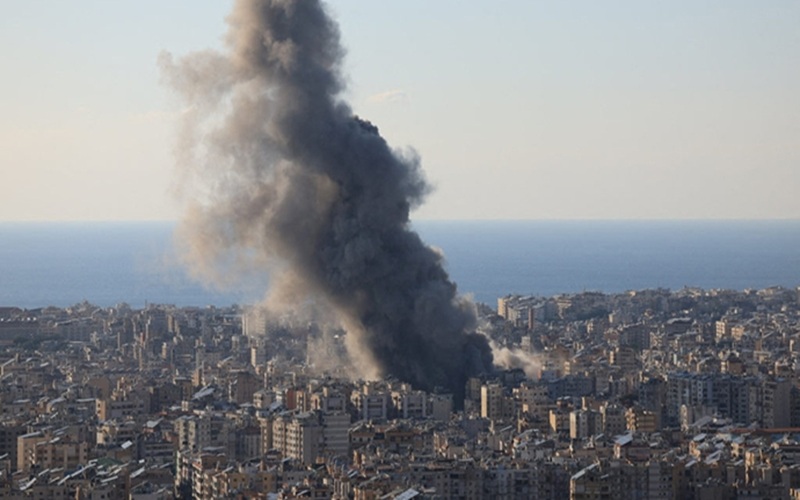
 irannewsupdate.com
As Tehran issues fresh threats to close the Strait of Hormuz and expand regional confrontations, global attention has increasingly focused on the geopolitical consequences of such actions. Yet some analysts argue that the roots of the Iranian regime’s belligerent posture lie not primarily in military calculations but in a deep fear of a potential social explosion within the country.
From this perspective, escalating external tensions can serve as a political instrument for a government facing widespread domestic dissatisfaction. By amplifying regional crises and emphasizing external threats, the regime may attempt to shift attention away from internal instability and justify heightened security measures at home.
This interpretation has also been raised by prominent political figures. Newt Gingrich, in a recent analysis, noted that the early stages of the joint U.S. and Israeli operations against Iran’s ruling clerical establishment have revealed difficult lessons. According to Gingrich, the possibility that Tehran could disrupt the Strait of Hormuz underscores how vulnerable global energy markets remain, as such a move would dramatically raise oil and natural gas prices worldwide.
…
Against this backdrop, a central question now emerges: are Tehran’s threats to close the Strait of Hormuz and its missile escalations merely part of a geopolitical confrontation, or do they also function as a political shield designed to contain rising domestic unrest in an increasingly volatile society?
Iran’s Escalating Regional Threats Reflect Deep Fear of Domestic Unrest - Iran News Update
Analysts say Iran’s threats to close the Strait of Hormuz and escalate regional tensions may reflect deep fears within the regime about potential domestic uprisings and growing public unrest.
irannewsupdate.com


 the Israeli Gadi Taub was Carolyn Glick’s cohost a few years ago.

